Advantages and Disadvantages of Social Media
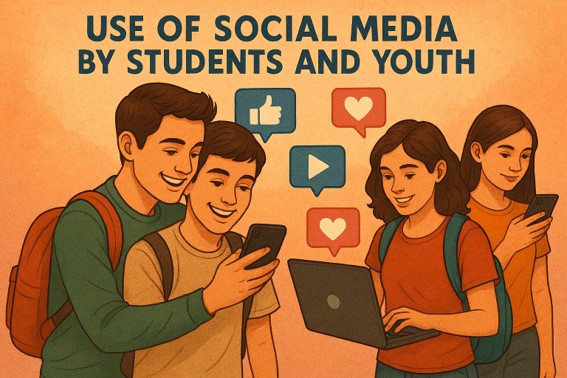
Table of Contents
Introduction: The Power of Social Media
Social media has become a part of our everyday life. From the moment we wake up to the time we go to sleep, we are surrounded by platforms like Facebook, Instagram, WhatsApp, X (Twitter), YouTube, and TikTok.
It has changed the way we communicate, learn, and share ideas. Through social media, people can connect with anyone in the world within seconds.
But like every invention, social media has both good and bad sides. It can help us grow and learn — but it can also distract us and sometimes even harm us.
In this essay, we will explore the advantages and disadvantages of social media, especially from the point of view of students and young people in India and around the world.
What is Social Media?
Social media refers to websites and applications that allow people to create and share content, or to participate in social networking.
In simple words, social media is a digital space where people share photos, videos, messages, and opinions. It connects millions of users instantly through the internet.
Common Examples of Social Media Platforms
- Facebook – For sharing posts and connecting with friends
- Instagram – For photos, reels, and short videos
- WhatsApp – For personal and group messaging
- YouTube – For watching and uploading videos
- X (Twitter) – For news and short updates
- LinkedIn – For professional networking
- Snapchat and TikTok – For fun, short videos and daily stories
These platforms are not only for entertainment but also used for business, education, marketing, and awareness.
7 Major Advantages of Social Media
Social media offers many benefits in our daily lives. It has changed how we connect, study, work, and express ourselves.
Let’s look at some of the major advantages:
a. Easy Communication and Connectivity
- The biggest benefit of social media is that it helps people stay connected.
- You can talk to your friends or family living in another city or country instantly.
- Video calls, voice messages, and chat groups make communication easy and affordable.
- It helps in keeping relationships strong, even when people are far apart.
Example: A student in India can easily talk with a friend studying in Canada using WhatsApp or Instagram.
b. Source of Information and News
- Social media has become a fast source of news and information.
- Platforms like X (Twitter) and YouTube provide instant updates about current events, politics, sports, and entertainment.
- It allows users to learn about global issues, trends, and opportunities.
c. Educational Benefits
- Social media is a powerful learning tool for students and teachers.
- Many platforms offer educational videos, online courses, and study groups.
- YouTube and LinkedIn Learning provide free lessons on almost every topic.
- Students can follow experts, attend webinars, and share notes with classmates online.
Example: Many students prepared for online exams during COVID-19 by watching YouTube lectures.
d. Business and Marketing Opportunities
- Social media helps small and big businesses promote their products easily and cheaply.
- Business owners use Facebook Ads, Instagram Reels, and YouTube channels to reach customers.
- Influencers also earn money by promoting brands and products.
- Many people have started online businesses or become digital creators because of social media.
e. Entertainment and Relaxation
- Social media is full of fun and entertainment.
- People watch videos, reels, and short films to enjoy.
- Music, comedy, fashion, and travel content attract millions of users daily.
- It is a great way to take a short break and refresh the mind.
f. Social Awareness and Activism
- Social media gives a voice to everyone.
- It helps raise awareness about social issues, the environment, health, and equality.
- Many campaigns, like #SaveTheEarth or #EducationForAll, started on social media.
- It allows people to support causes, share ideas, and inspire change.
Example: During natural disasters, social media helps people raise funds and connect with rescue organizations.
g. Job and Career Opportunities
- Platforms like LinkedIn, Facebook Jobs, and Instagram have become major sources for job seekers.
- People can build an online portfolio and connect with companies directly.
- Many freelancers and professionals use social media to find clients and grow their careers.
7 Major Disadvantages of Social Media
While social media has many benefits, it also has some serious disadvantages that we must understand and control.
a. Addiction and Time Waste
- One of the biggest problems is addiction.
- Many people spend hours scrolling, watching reels, or chatting — forgetting their studies or work.
- This reduces productivity and affects daily routines.
- Teenagers, in particular, find it hard to limit screen time.
Example: A student spends 5 hours on Instagram instead of doing homework.
b. Fake News and Misinformation
- Anyone can post anything on social media, even if it is false or misleading.
- Fake news spreads very fast and can create fear or confusion.
- It can affect people’s opinions, politics, and society.
- That’s why it’s important to verify information from trusted sources before believing or sharing it.
c. Cyberbullying and Online Harassment
- Many users face abuse, rude comments, or trolling online.
- Teenagers, celebrities, and even normal people can become victims of cyberbullying.
- This can cause stress, fear, and even depression.
- It’s important to report or block such users and never respond to hate.
d. Privacy and Security Issues
- On social media, people share their personal photos, location, and information.
- Hackers or scammers can misuse this data.
- Identity theft and online fraud have become common problems.
- Always use strong passwords and avoid sharing private details online.
e. Negative Impact on Mental Health
- Spending too much time online can make people feel lonely or anxious.
- Comparing oneself to others’ “perfect” photos can cause low self-esteem.
- Social media sometimes creates unrealistic expectations about life, success, and beauty.
- Taking regular breaks from the internet is good for mental balance.
f. Distraction from Studies and Work
- Students often check notifications or watch videos during study time.
- It affects concentration and academic performance.
- Similarly, employees waste time online instead of focusing on work.
- Self-discipline is necessary to use social media wisely.
g. Decrease in Real-life Social Interaction
- People spend so much time online that they forget face-to-face communication.
- Real conversations and relationships suffer because of mobile dependence.
- Social media cannot replace real emotions and human connection.
Example: Friends meet at a café but spend most of their time scrolling instead of talking.
Social Media and Youth in India
In India, social media is most popular among the younger generation.
- More than 600 million people use social media regularly.
- Students use it for entertainment, study materials, and staying connected.
- However, many youths face challenges like distraction, fake news, and online pressure.
Schools and parents should guide students on how to use social media positively — for learning, creativity, and communication, not just for fun or gossip.
How to Use Social Media Wisely
Social media can be useful if we use it with balance and responsibility. Here are some tips:
✅ Set a time limit – Use apps to monitor daily screen time.
✅ Follow educational pages – Learn something new every day.
✅ Avoid negative content – Unfollow pages that spread hate or false news.
✅ Check sources – Verify before sharing posts.
✅ Protect your privacy – Keep personal details safe.
✅ Take digital breaks – Spend time with real friends and family.
Using social media with purpose makes life smarter and healthier.
The Future of Social Media
Social media will continue to grow in the future.
New technologies like Artificial Intelligence (AI), Virtual Reality (VR), and Metaverse will make it even more advanced.
However, it’s important that users, especially young people, learn digital ethics and responsibility.
Governments and companies must also control fake news, data misuse, and online crimes to make social media safer for everyone.
Conclusion
Social media is one of the most powerful tools of our time. It connects the world and gives everyone a voice. It helps us learn, earn, and express ourselves.
But at the same time, it can waste our time, spread negativity, and affect our mental health.
The key is balance. Social media is good when we use it wisely — for knowledge, creativity, and connection. But when we let it control our life, it becomes harmful.
As responsible users, we must remember that technology should serve us, not rule us.
Vocabulary and Phrases: Table
Word / Phrase | Meaning in Hindi |
Social Media | सोशल मीडिया / ऑनलाइन सामाजिक मंच |
Connectivity | जुड़ाव / संपर्क |
Cyberbullying | ऑनलाइन धमकाना |
Privacy | गोपनीयता / निजता |
Fake News | झूठी खबरें |
Addiction | लत / आदत |
Productivity | उत्पादकता / काम करने की क्षमता |
Self-esteem | आत्म-सम्मान / आत्म-मूल्य |
Awareness | जागरूकता / समझ |
Misinformation | गलत जानकारी |
Mental Health | मानसिक स्वास्थ्य |
Real-life Interaction | वास्तविक जीवन में बातचीत |
Online Harassment | ऑनलाइन उत्पीड़न |
Digital Responsibility | डिजिटल जिम्मेदारी |
Influencer | प्रभावशाली व्यक्ति (जो सोशल मीडिया पर प्रसिद्ध हो) |
Algorithm | एल्गोरिद्म / कंप्यूटर निर्देशों का सेट |
Viral Content | वायरल सामग्री / बहुत तेजी से फैलने वाली सामग्री |
Online Learning | ऑनलाइन शिक्षा |
Screen Time | स्क्रीन पर बिताया समय |
Engagement | सहभागिता / जुड़ाव |